
Homeownership is a valuable financial asset that comes with the responsibility of constant upkeep. Avoiding small repairs to save money can lead to bigger, more expensive problems. A fifty-dollar fix ignored today can become a five-thousand-dollar emergency tomorrow. Proactively addressing routine repairs protects your property’s value, ensures family safety, and saves thousands over time. The key to stress-free homeownership is staying ahead of decay. This guide covers essential low-cost maintenance tasks to prioritize for your home’s exterior, plumbing, air quality, and electrical systems.
Protect the Roof and Direct the Runoff

Most homeowners assume their overhead protection is perfectly fine until water actually starts dripping through the living room ceiling. By then, the damage is already extensive and incredibly expensive to mitigate. The uppermost shield of your home takes a relentless beating from the elements year-round, and the most common failure points are not the broad expanses of shingles, but rather the interruptions in the surface—specifically around chimneys, skylights, plumbing vent pipes, and valley intersections. The metal flashing that seals these transitions can easily rust, lift, or lose its watertight sealant over time.
- Perform Safe Visual Inspections: Twice a year, preferably in the mild weather of spring and fall, use a pair of binoculars from the ground to scan the surface for missing, cracked, or curling shingles. Look closely at the rubber boots around vent pipes, which often crack and decay from sun exposure long before the actual main structure needs replacing.
- Address Minor Damage Immediately: If you spot a missing shingle, do not wait for the next major storm to test your luck. Water creeping under just one compromised area can saturate the underlying felt paper, rot the wooden decking, and eventually destroy your attic insulation and drywall. Paying a reputable roofing company a couple of hundred dollars for a minor patch job or flashing repair is one of the most brilliant investments you can make. It directly prevents a catastrophic interior leak that could ruin your furniture, flooring, and structural framing.
A perfectly intact upper shield is practically useless if the water it sheds has nowhere to go. Gutters are meticulously designed to catch thousands of gallons of rainwater and usher it safely away from your home’s vulnerable foundation. When they become clogged with autumn leaves, pine needles, and shingle grit, the water backs up, overflows the edges, and pours directly down the side of your house.
- Clear the Flow Path: Run a garden hose at full pressure through your downspouts every fall and spring. Ensure the water flows freely and exits at least five feet away from your foundation walls. If it pools near the base of your home, immediately add plastic downspout extensions to carry the moisture further into the yard.
- Correct Structural Sagging: Over time, the immense weight of standing water, wet leaves, and winter ice can pull the metal channels away from the fascia board, disrupting their subtle downward pitch. Overflowing water can slowly erode the landscaping soil, severely crack the foundation, or flood the basement. Hiring a professional gutter company to routinely clean, realign, and properly pitch the system is an incredibly cheap alternative to excavating your yard for structural foundation repair or installing an expensive interior drainage system.
Fortify the Exterior Envelope Against Moisture
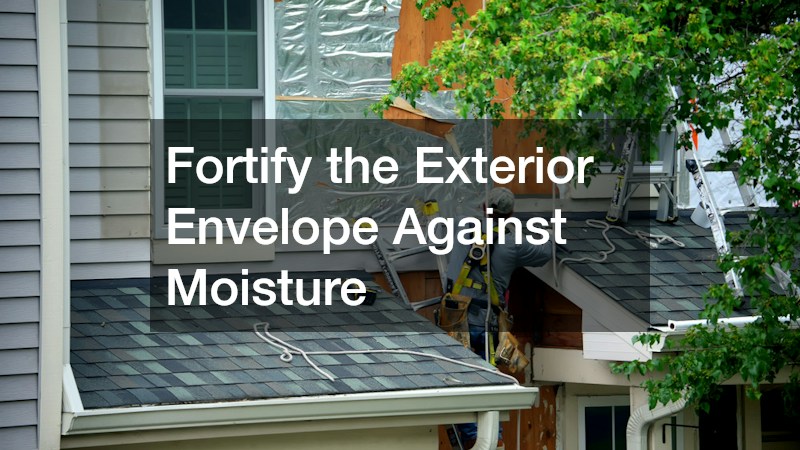
Your home’s exterior cladding is more than just a cosmetic feature; it is a complex, engineered envelope designed to breathe while keeping harsh weather out. When this protective envelope is breached, moisture becomes trapped inside the dark wall cavities, inviting a host of incredibly expensive structural issues that can quietly rot your home from the inside out over several seasons.
- Seal the Transitions: Before the first winter freeze, meticulously walk the perimeter of your home with a high-quality, exterior-grade polyurethane caulk. Inspect every window frame, door casing, and utility penetration where cables enter the house. If you see old, cracked, or shrinking caulk, scrape it away entirely and apply a fresh, watertight bead.
- Tackle Wood Rot Early: Freeze-thaw cycles are absolutely ruthless on a house. Water seeps into an uncaulked gap, freezes, and expands, blowing the joint wide open. Once water gets behind your exterior cladding, it begins to rot the wooden trim and the structural sheathing beneath. Having a skilled siding contractor replace one or two rotting fascia boards or small sections of damaged exterior cladding early on will cost a fraction of what you would pay to rebuild an entire water-logged, structurally compromised load-bearing wall.
Windows and doors are essentially intentional holes cut into your home’s thermal envelope. Keeping them properly sealed is critical not only for preventing water intrusion but also for tightly controlling your monthly heating and cooling expenditures. Failing seals lead to trapped condensation, uncomfortable room drafts, and HVAC systems that have to work overtime to maintain a comfortable indoor climate.
- Hunt Down Invisible Drafts: Perform the classic candle test on a particularly windy day. Carefully move a lit candle around the interior edges of your windows and exterior doors. If the flame aggressively flickers or leans, you have found a costly air leak that needs immediate attention.
- Make Incremental Upgrades: Replace flattened or torn weatherstripping around door jambs and window sashes immediately. This inexpensive fix easily pays for itself in energy savings within weeks. If you notice persistent fogging between the glass panes of double-glazed units, the insulating argon gas seal has failed, rendering the unit highly inefficient. Selectively upgrading these failing units to high-quality, energy-efficient options like milgard windows is a smart, incremental investment to protect the home’s thermal envelope and significantly reduce your long-term utility bills without needing to retrofit the entire house at once.
Keep the Water Flowing Safely
Preventative plumbing maintenance is entirely about controlling incoming water pressure and ensuring clear exit pathways. The flexible hoses connecting your major daily appliances to the home’s main water supply are hidden ticking time bombs. Standard rubber washing machine hoses deteriorate from the inside out due to constant, unyielding water pressure and chemical exposure from detergents.
- Upgrade to Braided Steel: Swap out all standard rubber hoses behind your washing machine, dishwasher, and refrigerator ice maker with heavy-duty, braided stainless steel lines. These are highly burst-resistant and generally cost less than thirty dollars at the local hardware store. A burst rubber washing machine hose can pump hundreds of gallons of water into your home in just one hour, making it a leading cause of catastrophic interior floods.
- Keep Valves Operational: Twice a year, get under your bathroom and kitchen sinks, as well as behind the toilets, and gently turn the water shut-off valves back and forth. If they remain untouched for years, hard water mineral deposits will cause them to permanently seize up. When a pipe suddenly bursts, a frozen shut-off valve transforms a minor puddle into a full-scale emergency. Bringing in a trusted local plumbing company to proactively upgrade old, corroded valves to modern quarter-turn ball valves and to check your home’s overall incoming water pressure is a brilliant, low-cost preventative measure.
A slow drain is not just a minor, daily annoyance; it is a glaring warning sign of a compounding blockage deep within your home’s primary sewer system. When hair, soap scum, kitchen grease, and food particles are allowed to constantly accumulate, they eventually calcify and harden, creating an impenetrable plug that causes raw, unsanitary wastewater to back up into your pristine tubs and sinks.
- Adopt Bio-Enzyme Treatments: Avoid pouring harsh, store-bought chemical drain cleaners down your sinks. These caustic, heat-generating acids actually eat away at the interior lining of your pipes, causing them to thin out, become brittle, and eventually rupture. Instead, treat slow shower and sink drains monthly with a natural bio-enzyme cleaner, which safely digests organic buildup over time without harming the plumbing infrastructure.
- Schedule Routine Snaking: Pay close attention to how your drains sound when emptying. If they gurgle loudly, the venting system is restricted or a major clog is rapidly forming. Having your main lines routinely snaked and evaluated with a specialized fiber-optic camera by local drain cleaning companies helps you avoid the absolute nightmare scenario of raw sewage flooding your finished basement, or having to prematurely dig up your beautiful front landscaping to replace ruptured underground sewer pipes.
Breathe Easy: HVAC Maintenance and Moisture Control
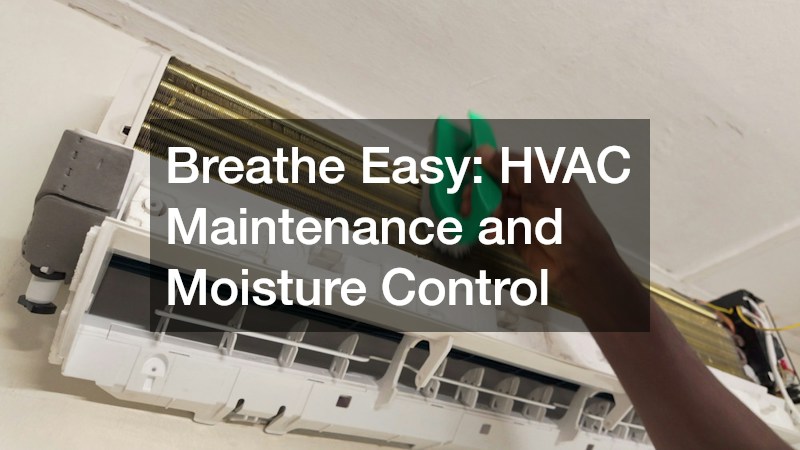
Moisture is the absolute enemy of a healthy, breathable indoor environment. Areas like basements, crawlspaces, and poorly ventilated bathrooms are prime breeding grounds for microscopic spores that thrive in damp, stagnant air. Unchecked interior moisture inevitably leads to structural timber decay, peeling drywall paint, and severe respiratory issues for the home’s occupants.
- Track the Data: Purchase an inexpensive, battery-operated digital hygrometer for your basement and master bathroom. Your primary goal is to ensure that your indoor relative humidity stays firmly below fifty percent year-round, which prevents biological growth from taking hold on your surfaces.
- Control the Environment: Always run the bathroom exhaust fan during a hot shower and leave it running for at least thirty minutes afterward to completely evacuate the lingering steam. If your subterranean basement feels consistently damp to the touch, invest in a continuous-drain dehumidifier. Fixing a broken bathroom exhaust fan or running a heavy-duty dehumidifier is vastly cheaper, and much less stressful, than paying thousands of dollars for professional mold removal, extensive drywall replacement, and structural framing repairs down the road.
Your heating, ventilation, and air conditioning system needs to breathe easily to function at peak efficiency. When the system is starved for fresh air due to extreme dust and pet dander buildup, the internal blower motor has to work twice as hard, consuming significantly more electricity and generating excessive, damaging mechanical heat.
- Establish a Filter Schedule: Swap out your pleated HVAC filters every ninety days without fail. If you have multiple furry pets, suffer from seasonal allergies, or live in a particularly dusty climate, you should proactively check and replace them every thirty to sixty days. A dirty filter severely restricts airflow, causing furnace heat exchangers to overheat and crack, or air conditioning evaporator coils to literally freeze solid into blocks of ice.
- Keep the Pathways Clear: Use a standard wet/dry shop-vac with a soft brush attachment to clear thick dust, pet hair, and debris from all return registers and supply vents every few months. This greatly reduces the immediate strain on the mechanical blower components. Furthermore, scheduling a comprehensive professional air duct cleaning every few years can keep the entire enclosed system running efficiently, drastically improve your daily indoor air quality, and prevent costly, premature motor burnouts that often require full system replacements.
Secure the Circuits and Moving Mechanisms

Electrical systems degrade invisibly over decades. Internal connections loosen as houses vibrate from passing traffic, and wire insulation becomes brittle with temperature changes. Hidden electrical faults are a leading cause of house fires, but they often provide early warning signs.
- Perform Monthly Safety Checks: Ground Fault Circuit Interrupter outlets cut power if they detect moisture-related shorts, saving you from electrocution. Test all kitchen, bathroom, exterior, and garage outlets monthly to ensure the safety mechanism hasn’t failed.
- Investigate Strange Noises and Heat: A humming sound from a wall switch or warm plastic faceplates are signs of arcing electricity. If you notice these signs, or frequent flickering lights, stop using the circuit and have a licensed electrical contractor fix it to prevent electrical fires.
The mechanical barrier protecting your vehicles is the largest and heaviest moving object in your house. It operates under mechanical tension, often used as the primary entrance, opening and closing thousands of times a year. Neglect leads to the opener straining against unnecessary friction.
- Reduce the Friction: Apply a high-quality white lithium grease or specialized silicone spray to metal hinges, steel rollers, and torsion springs twice a year. Avoid standard penetrating oils as they attract dirt. Proper lubrication keeps the door gliding smoothly.
- Verify Safety Protocols: Test the photoelectric safety sensors near the floor with a broom; the door should stop and reverse. Mechanical tune-ups and expert spring tension adjustments from garage door services can prevent a snapped torsion spring, which can trap your vehicle or cause the door to crash down.
Owning a home involves managing a complex system of interrelated parts and protective barriers. Neglecting even a small component can stress the entire system, risking failure. Prioritizing preventative maintenance is crucial. Spending a thousand dollars annually on inspections and repairs can save ten to twenty thousand dollars in major repair costs over a decade. Address minor issues like squeaks and drafts promptly. Choose a few tasks from this guide to tackle this weekend, or create a seasonal maintenance calendar. By managing these tasks, you ensure your home remains safe and reduce financial stress. Your future self and your bank account will benefit greatly.